

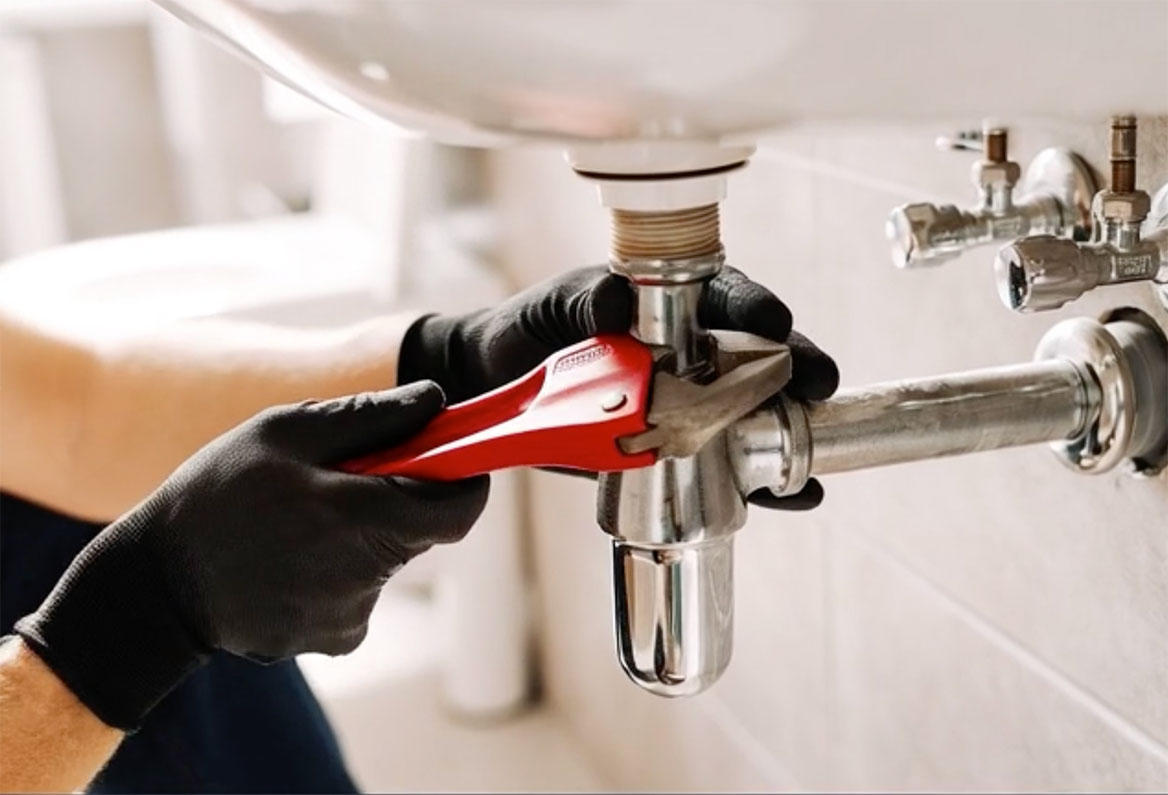
Most Phoenix residents have never given frozen pipes a second thought. After all, this is the desert—land of scorching summers and mild winters, right? But every winter, Valley plumbers and HVAC technicians respond to frantic calls from homeowners staring at burst pipes and water damage, wondering how this could possibly happen in Arizona. The truth is, Phoenix’s unique climate creates perfect conditions for pipe freezing that catch even longtime residents completely off guard.
This guide explains why Phoenix pipes are actually more vulnerable to freezing than you’d expect, which areas of your home are at highest risk, and what steps you can take to protect your property when temperatures plunge after sunset.
Why Phoenix Pipes Are Surprisingly Vulnerable
Phoenix homes weren’t built for freezing temperatures—and that’s exactly what makes them vulnerable. Here’s why our pipes face unique risks:
- Minimal Insulation: Most Valley homes have little to no pipe insulation because builders never expected freezing conditions—exposed pipes are the norm, not the exception
- Exterior Wall Placement: Many Phoenix homes have water lines routed through exterior walls or uninsulated attic spaces where temperatures drop fastest
- Rapid Temperature Swings: A 75-degree afternoon can become a 28-degree night—pipes don’t have time to gradually adjust to the cold
- Outdoor Plumbing: Pool equipment, irrigation systems, hose bibs, and outdoor kitchens are completely exposed to freezing air
- Concrete Slab Construction: While slab foundations protect some pipes, any lines running through walls, attics, or garages remain vulnerable
🚨 EMERGENCY: Signs Your Pipes Have Frozen or Burst
Recognize these warning signs before minor freezing becomes major water damage
No Water or Reduced Flow
What’s Happening: You turn on a faucet and nothing comes out—or just a trickle. This often occurs first thing in the morning after the coldest part of the night.
Common Locations:
– Kitchen sinks on exterior walls
– Bathroom fixtures in rooms above garages
– Outdoor hose bibs and irrigation connections
– Water heater supply lines in unheated garages
– Pool equipment and outdoor shower fixtures
The Phoenix Factor: Because our cold snaps are brief but intense, ice blockages often form in just a few hours during the pre-dawn hours when temperatures hit their lowest point.
Why It’s Critical: A frozen pipe is a pipe under pressure. As water freezes, it expands with tremendous force—up to 2,000 pounds per square inch. Even if the pipe hasn’t burst yet, the clock is ticking.
ACTION REQUIRED:
Do NOT apply direct flame to pipes. Keep faucet open and apply gentle heat with a hair dryer. If you can’t locate the freeze, call for professional help.
Visible Water Damage or Active Leaking
What’s Happening: You notice water stains on ceilings or walls, pooling water, or can hear water running when no fixtures are in use. This indicates a pipe has already burst.
The Hidden Danger: Burst pipes can release hundreds of gallons of water per hour. Damage to drywall, flooring, insulation, and personal belongings can be catastrophic—and mold growth can begin within 24-48 hours.
The Phoenix Factor: Many burst pipes occur in attics or interior wall cavities where homeowners can’t see them. By the time water damage becomes visible, significant flooding may have already occurred behind walls or above ceilings.
Why It’s Critical: Every minute of delay means more water damage. The average burst pipe releases 4-8 gallons per minute—that’s up to 480 gallons per hour flooding your home.
IMMEDIATE ACTION:
Shut off main water supply immediately. Know where your shut-off valve is BEFORE an emergency. Then call for professional assistance.
Frost on Exposed Pipes
What’s Happening: You can see frost or ice forming on visible pipes in your garage, under sinks, or on outdoor fixtures. This is a clear warning that freezing is occurring or imminent.
Common Locations:
– Water heater connections in garage
– Pipes under bathroom and kitchen sinks on exterior walls
– Exposed pipes in laundry rooms
– Irrigation backflow preventers
– Pool pump and filter equipment
The Phoenix Factor: Garages in Phoenix homes are rarely insulated or heated. When overnight temperatures drop into the 20s or low 30s, garage temperatures follow—putting any exposed plumbing at immediate risk.
Why It’s Critical: Visible frost means the pipe temperature has dropped to 32°F or below. Freezing and potential rupture can occur within hours if conditions persist.
PREVENTION MODE:
Wrap pipes immediately with towels or blankets. Open cabinet doors to allow warm air circulation. Consider a space heater (safely positioned) in garage.
⚠️ WARNING: High-Risk Areas in Phoenix Homes
Know where to focus your freeze protection efforts
Outdoor and Pool Equipment
The Risk: Pool pumps, filters, heaters, and irrigation systems are completely exposed to freezing air with no protection whatsoever.
Vulnerable Components:
– Pool pump housings and impellers
– Filter tanks and multiport valves
– Pool heater heat exchangers
– Irrigation backflow preventers
– Drip system valves and emitters
– Outdoor kitchen plumbing
Why It Can’t Wait: Pool equipment is expensive to repair or replace. A cracked pump housing, damaged filter tank, or frozen heater can mean significant repair bills and weeks without a functioning pool.
The Phoenix Factor: Pool equipment runs year-round in Phoenix, so homeowners rarely think about winterizing. But a single hard freeze can destroy equipment that’s been running perfectly for years.
Pipes in Exterior Walls
The Risk: Water lines running through exterior walls are separated from freezing outdoor air by only a thin layer of stucco and minimal insulation.
Common Problem Areas:
– Kitchen sinks on north-facing walls
– Master bathroom fixtures on exterior walls
– Second-floor bathrooms above garages
– Laundry connections on exterior walls
– Water softener lines near garage walls
Why It Can’t Wait: Pipes in walls are hidden from view. You won’t see frost forming or ice building up—the first sign of trouble is often no water flow or visible water damage.
The Phoenix Factor: Many Valley homes were built with plumbing routed for convenience rather than freeze protection. Retrofitting pipe insulation inside walls requires professional assessment.
Garage Water Heaters and Plumbing
The Risk: Arizona garages are typically uninsulated and unheated, creating near-outdoor conditions during cold snaps.
Vulnerable Components:
– Water heater inlet and outlet pipes
– Washing machine supply lines
– Utility sink plumbing
– Water softener connections
– Main water line entry points
Why It Can’t Wait: Frozen water heater lines mean no hot water throughout your home. Burst lines in the garage can flood vehicles, stored items, and damage the water heater itself.
The Phoenix Factor: Garage temperatures can drop into the 20s during hard freezes—well below the 32°F threshold for pipe freezing. Most homeowners don’t realize their garage gets this cold.
Attic-Routed Plumbing
The Risk: Some Phoenix homes have water lines running through attic spaces—areas that provide zero insulation from outdoor temperatures at night.
Why This Happens:
– Second-story bathroom additions
– Kitchen relocations during remodels
– HVAC condensate lines with water connections
– Whole-house humidifier supply lines
– Ice maker lines routed through attics
Why It Can’t Wait: A burst pipe in the attic can pour water down through ceilings, walls, and multiple floors before anyone notices. The damage potential is enormous.
The Phoenix Factor: While Phoenix attics are furnace-hot in summer, they offer no thermal protection in winter. Attic temperatures closely follow outdoor temperatures—meaning below-freezing conditions are possible.
📋 UNDERSTAND: The Science of Freezing Pipes
Why pipes burst and how to prevent it
Expansion Pressure
The Physics: Water expands 9% when it freezes, creating up to 2,000 PSI of pressure
The Result: Pipes don’t burst at the ice blockage—they rupture where pressure builds between the ice and a closed faucet
The Prevention: Keep faucets slightly open to relieve pressure
Critical Temperature
The Threshold: Pipes begin freezing when surrounding air drops below 28°F for extended periods
The Timeline: Unprotected pipes can freeze solid in as little as 3-6 hours at 20°F
The Prevention: Maintain air temperature above 32°F around vulnerable pipes
Moving Water
The Principle: Moving water resists freezing far better than standing water
The Method: Even a small trickle creates enough movement to prevent ice formation in pipes
The Prevention: Let faucets drip on the coldest nights
Freeze Prevention Quick Reference Guide
What to do before, during, and after a freeze warning
🚨 FREEZE WARNING ISSUED
- ❄️ Disconnect all garden hoses
- ❄️ Cover outdoor faucets
- ❄️ Open cabinet doors under sinks
- ❄️ Let vulnerable faucets drip
- ❄️ Run pool pump continuously
- ❄️ Insulate exposed garage pipes
Timing: Before Sunset
⚠️ DURING THE FREEZE
- 🌡️ Keep thermostat at 65°F or higher
- 🌡️ Never set below 55°F, even if away
- 🌡️ Check faucets periodically
- 🌡️ Monitor garage temperature
- 🌡️ Keep garage door closed
- 🌡️ Add heat source to vulnerable areas
Timing: Overnight Hours
📋 AFTER TEMPERATURES RISE
- ✓ Check all faucets for flow
- ✓ Inspect visible pipes for cracks
- ✓ Look for water stains/damage
- ✓ Test outdoor fixtures
- ✓ Examine pool equipment
- ✓ Check irrigation system
Timing: Morning After
Protecting Your Home During Extended Absences
SNOWBIRDS AND TRAVELERS – CRITICAL PRECAUTIONS:
- Never turn off your heat completely: Maintain thermostat at minimum 55°F to protect pipes throughout your home
- Have someone check your home: Ask a neighbor or friend to walk through every 2-3 days during freeze warnings
- Know your main shut-off: If you’ll be gone for weeks, consider shutting off water at the main and draining the system
- Smart home monitoring: Temperature sensors and water leak detectors can alert you to problems remotely
- Pool equipment timers: Ensure your pool pump runs continuously during freezes, even if you’re not home
IF YOU’RE RETURNING TO A FROZEN HOME:
- Check for visible water damage before turning on main water supply
- If you suspect frozen pipes, warm the home gradually before running water
- Inspect all exposed pipes for cracks or bulging before use
- Test faucets one at a time, starting with those closest to the main line
- If any pipe has burst, shut off main water immediately and call for help
Your Freeze Protection Checklist
Prepare before cold weather arrives—waiting until a freeze warning is issued means scrambling when stores are sold out:
SUPPLIES TO HAVE ON HAND:
- Foam faucet covers for all outdoor hose bibs
- Pipe insulation sleeves for exposed pipes in garage
- Heat tape for chronically vulnerable pipes
- Towels or blankets for emergency pipe wrapping
- Portable space heater for garage use during freezes
- Flashlight for checking pipes in dark areas
KNOW BEFORE YOU NEED IT:
- Location of main water shut-off valve
- How to turn off water to individual fixtures
- Which pipes in your home are most vulnerable
- Your pool equipment freeze protection settings
- Location of any pipes in attic or exterior walls
- Contact information for emergency plumbing help
Frequently Asked Questions
At what temperature should I worry about frozen pipes in Phoenix?
Take freeze precautions whenever overnight lows are forecast to drop below 32°F, and be especially vigilant when temperatures fall into the 20s. Phoenix typically sees 10-15 nights per winter with lows at or below freezing, concentrated in December and January. However, the real risk depends on how long temperatures stay below freezing and how exposed your pipes are. A brief dip to 31°F may not cause problems, but several hours at 28°F can freeze unprotected pipes. Always err on the side of caution—the cost of prevention is nothing compared to burst pipe repairs.
Which faucets should I let drip during a freeze?
Focus on faucets served by pipes that run through exterior walls, unheated spaces, or the garage. Kitchen sinks on north-facing exterior walls and bathroom fixtures above garages are common trouble spots. You don’t need a heavy flow—a slow, steady drip of both hot and cold water is enough to keep water moving and prevent freezing. If you’re unsure which pipes are vulnerable, let faucets drip on the side of your home farthest from where the main water line enters. When in doubt during severe cold, let multiple faucets drip.
How do I protect my pool equipment from freezing?
The best protection is to run your pool pump continuously during freeze events. Moving water through the equipment prevents ice formation. Most modern pool systems have freeze protection modes that automatically run the pump when temperatures drop—make sure this feature is enabled and functioning. If your system lacks this feature, manually turn on the pump before sunset and let it run until temperatures rise above freezing. For additional protection, you can wrap exposed pipes with insulation and cover the pump housing. Never drain your pool equipment as a freeze precaution unless you know exactly what you’re doing—improper draining can cause more damage than the freeze itself.
What should I do if my pipes are already frozen but haven't burst?
First, open the affected faucet to relieve pressure and allow water to flow once the ice melts. Then, apply gentle heat to the frozen section using a hair dryer, heat lamp, or towels soaked in hot water. Start from the faucet end and work toward the frozen area. Never use a torch, open flame, or propane heater—these create fire hazards and can cause pipes to burst from rapid, uneven heating. If you can’t locate the frozen section, if the pipe is inside a wall, or if you’re not comfortable thawing it yourself, call for professional help. Keep the faucet open throughout the thawing process.
Will my homeowner's insurance cover burst pipe damage?
Most standard homeowner’s policies cover sudden and accidental water damage from burst pipes, including damage to your home’s structure and personal belongings. However, coverage often depends on whether you took reasonable precautions to prevent freezing. If you left your home unheated during a freeze warning or turned off your heating system entirely, your claim might be denied. Policies also typically exclude damage from gradual leaks or lack of maintenance. Review your specific policy and consider documenting your freeze prevention efforts. The water damage from a burst pipe can easily reach tens of thousands of dollars, so understanding your coverage before an emergency is essential.
How can I tell if my home has pipes in vulnerable locations?
Start by identifying all water fixtures on exterior walls—these are served by pipes that may run through uninsulated wall cavities. Check your garage for visible water lines, especially around the water heater, washing machine, and water softener. If you have a two-story home with bathrooms above the garage, those supply lines may be vulnerable. Attic-routed pipes are harder to spot but sometimes occur after remodels or additions. Look for any pipes that seem to take unusual routes to reach fixtures. If you’re uncertain, a professional plumbing assessment can identify vulnerable areas and recommend appropriate protection measures for your specific home.
Why Valley Families Have Trusted Us Since 1947
When desert temperatures drop and your home needs protection, you need a company that understands Phoenix’s unique climate challenges. For over 75 years, Scottsdale Air has delivered genuine, heartfelt service to Valley families—helping homeowners prepare for and respond to every temperature extreme our desert delivers.
Same-Day Service
When freeze emergencies happen, we respond quickly
Residential Experts
We specialize in Valley homes and their unique needs
Expert Technicians
Factory-trained and NATE-certified professionals
Lifetime Warranty
Our exclusive workmanship guarantee
Need Professional Help?
Our expert technicians are ready to help with all your HVAC and plumbing needs.
(480) 945-7200